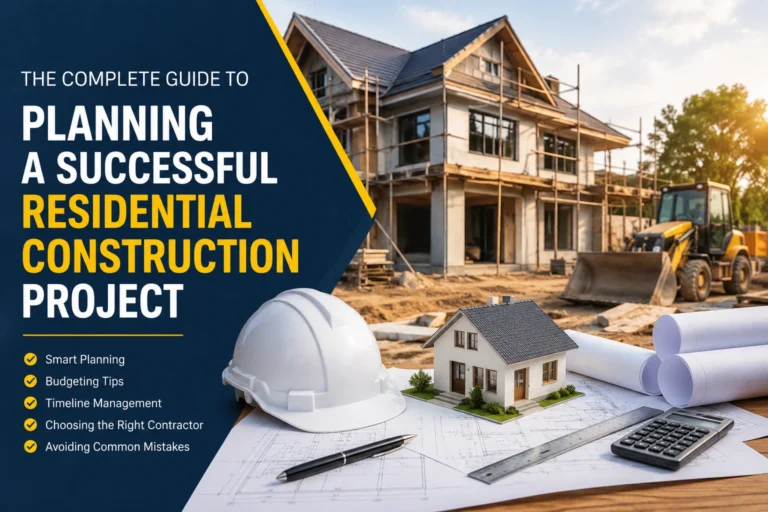
Building a new home or undertaking a major residential construction project is one of the most significant investments a property owner can make. Beyond the financial commitment, residential construction involves a complex combination of planning, design, budgeting, regulatory compliance, and project management. A well-executed project requires more than selecting materials and hiring contractors—it demands a strategic approach that considers every stage of the construction journey.
Whether you are planning a custom-built family home, a substantial renovation, or a multi-unit residential development, understanding the planning process can significantly reduce risks, avoid costly delays, and contribute to a successful outcome. This guide outlines the key considerations, processes, and best practices involved in planning a residential construction project from concept to completion.
Understanding the Scope of Your Project
Before any design work begins or contractors are contacted, it is essential to clearly define the scope of the project. The scope establishes the foundation for every decision that follows, including budgeting, timelines, permits, and resource allocation.
Key questions to consider during this stage include:
- What type of residential project is being undertaken?
- What are the primary objectives of the the build?
- Is the project a new construction, extension, renovation, or redevelopment?
- What functional requirements must the property satisfy?
- What level of quality and finish is expected?
A detailed project brief helps align expectations among homeowners, architects, builders, consultants, and other stakeholders. It also minimizes the likelihood of significant design changes during construction, which are often expensive and time-consuming.
Establishing a Realistic Budget
One of the most common challenges in residential construction is budget overruns. While every project aims to remain within budget, inadequate financial planning can quickly create complications.
A comprehensive construction budget should account for:
- Land acquisition costs (if applicable)
- Architectural and design fees
- Engineering and consultant services
- Permit and approval expenses
- Construction labor costs
- Building materials
- Site preparation and excavation
- Utility connections
- Landscaping and external works
- Interior finishes and fixtures
- Contingency allowances
Industry professionals often recommend allocating an additional contingency reserve of approximately 10% to 20% of the total project budget to account for unforeseen expenses.
Factors That Can Affect Construction Costs
Several variables can influence the overall cost of a residential construction project:
- Geographic location
- Site accessibility
- Soil conditions
- Material availability
- Labor market fluctuations
- Design complexity
- Regulatory requirements
- Weather conditions
Careful financial planning during the early stages significantly improves the likelihood of completing the project within budget.
Selecting the Right Design Team
The design phase transforms initial concepts into practical construction plans. Choosing experienced professionals is critical to achieving both functional and aesthetic objectives.
A typical residential construction project may involve:
- Architects
- Structural engineers
- Civil engineers
- Building designers
- Interior designers
- Landscape architects
- Energy efficiency consultants
When evaluating design professionals, property owners should consider:
- Relevant experience
- Previous project portfolio
- Professional qualifications
- Communication style
- Project management capabilities
- References from previous clients
A collaborative relationship between the client and design team helps ensure that expectations remain aligned throughout the project lifecycle.
Understanding Local Regulations and Permits
Residential construction projects must comply with various local building regulations, zoning requirements, and safety standards. Failure to obtain proper approvals can lead to project delays, penalties, or legal complications.
Common approvals may include:
- Development approvals
- Building permits
- Planning permits
- Environmental assessments
- Utility approvals
- Engineering certifications
- Occupancy certifications
Because regulatory requirements vary significantly by location, consulting with experienced professionals early in the planning phase can help avoid unnecessary delays.
Conducting Site Assessments
Before construction begins, the project site must be thoroughly evaluated. Site conditions directly influence design decisions, construction methods, and project costs.
Important site investigations typically include:
Geotechnical Analysis
A geotechnical assessment examines soil conditions, ground stability, drainage characteristics, and foundation requirements.
Topographical Survey
This survey identifies:
- Site dimensions
- Elevation changes
- Existing structures
- Boundaries
- Utility locations
Environmental Assessment
Environmental studies may identify:
- Flood risks
- Soil contamination
- Vegetation restrictions
- Heritage considerations
- Drainage challenges
Conducting these assessments early allows potential issues to be addressed before they impact construction activities.
Developing a Construction Timeline
Every residential construction project should have a realistic and structured timeline. While exact durations vary depending on project complexity, establishing clear milestones helps improve coordination and accountability.
Typical residential construction phases include:
| Phase | Typical Activities |
|---|---|
| Planning | Consultation, budgeting, feasibility |
| Design | Architectural drawings and approvals |
| Pre-construction | Permits, procurement, site preparation |
| Construction | Foundations, framing, services, finishes |
| Inspection | Quality checks and certifications |
| Handover | Final inspections and occupancy |
Several factors can influence project schedules, including:
- Weather conditions
- Material shortages
- Labor availability
- Permit processing times
- Design modifications
- Supply chain disruptions
Maintaining flexibility within the project schedule can help mitigate unforeseen delays.
Choosing the Right Construction Contractor
Selecting a qualified contractor is arguably one of the most important decisions in the entire project.
When evaluating contractors, consider:
- Licensing and certifications
- Insurance coverage
- Industry experience
- Previous residential projects
- Client testimonials
- Financial stability
- Safety record
- Communication practices
Questions to ask prospective contractors may include:
- What similar projects have you completed?
- How do you manage project scheduling?
- What quality control processes do you implement?
- How are unexpected costs handled?
- Who will supervise the construction site?
- What warranties are provided?
A transparent contractor selection process helps establish trust and reduces the risk of disputes during construction.
Prioritizing Safety and Risk Management
Construction sites contain numerous hazards that require proactive management. Even residential projects benefit from comprehensive safety planning.
Key safety considerations include:
- Site access control
- Personal protective equipment requirements
- Fall prevention systems
- Electrical safety procedures
- Excavation safety protocols
- Equipment operation standards
- Emergency response planning
- Environmental protection measures
Property owners should confirm that contractors maintain appropriate safety procedures and comply with applicable regulations.
Planning for Sustainability and Efficiency
Modern residential construction increasingly emphasizes sustainability, energy efficiency, and long-term operational savings.
Consider incorporating:
- Energy-efficient insulation systems
- High-performance windows
- Solar energy solutions
- Water-saving fixtures
- Sustainable building materials
- Smart home technologies
- Efficient HVAC systems
- Environmentally responsible landscaping
Although some sustainable solutions may involve higher initial investment costs, they often provide significant long-term financial and environmental benefits.
Avoiding Common Residential Construction Mistakes
Many construction challenges can be avoided through proper planning and communication.
Some of the most common mistakes include:
- Beginning construction without a detailed budget
- Making frequent design changes during construction
- Hiring contractors solely based on price
- Failing to obtain necessary permits
- Underestimating project timelines
- Neglecting contingency planning
- Overlooking site investigations
- Poor communication between stakeholders
Addressing these issues proactively can significantly improve project outcomes.
Final Thoughts
Successful residential construction projects are rarely the result of chance. They are achieved through careful planning, informed decision-making, experienced professional guidance, and consistent project management throughout every phase of development.
By establishing clear objectives, maintaining realistic budgets, selecting qualified professionals, and preparing for potential challenges, property owners can significantly reduce risk while improving both the quality and efficiency of their projects.
Whether constructing a new family home, undertaking a major renovation, or developing a residential investment property, thorough preparation remains the single most important factor in achieving a successful and rewarding construction experience.